Fiber and Your Health: How It Aids Digestion and Your Heart
A clear look at how fiber supports digestion and heart health, plus practical, everyday ways to get more of it into your meals.
Sponsored
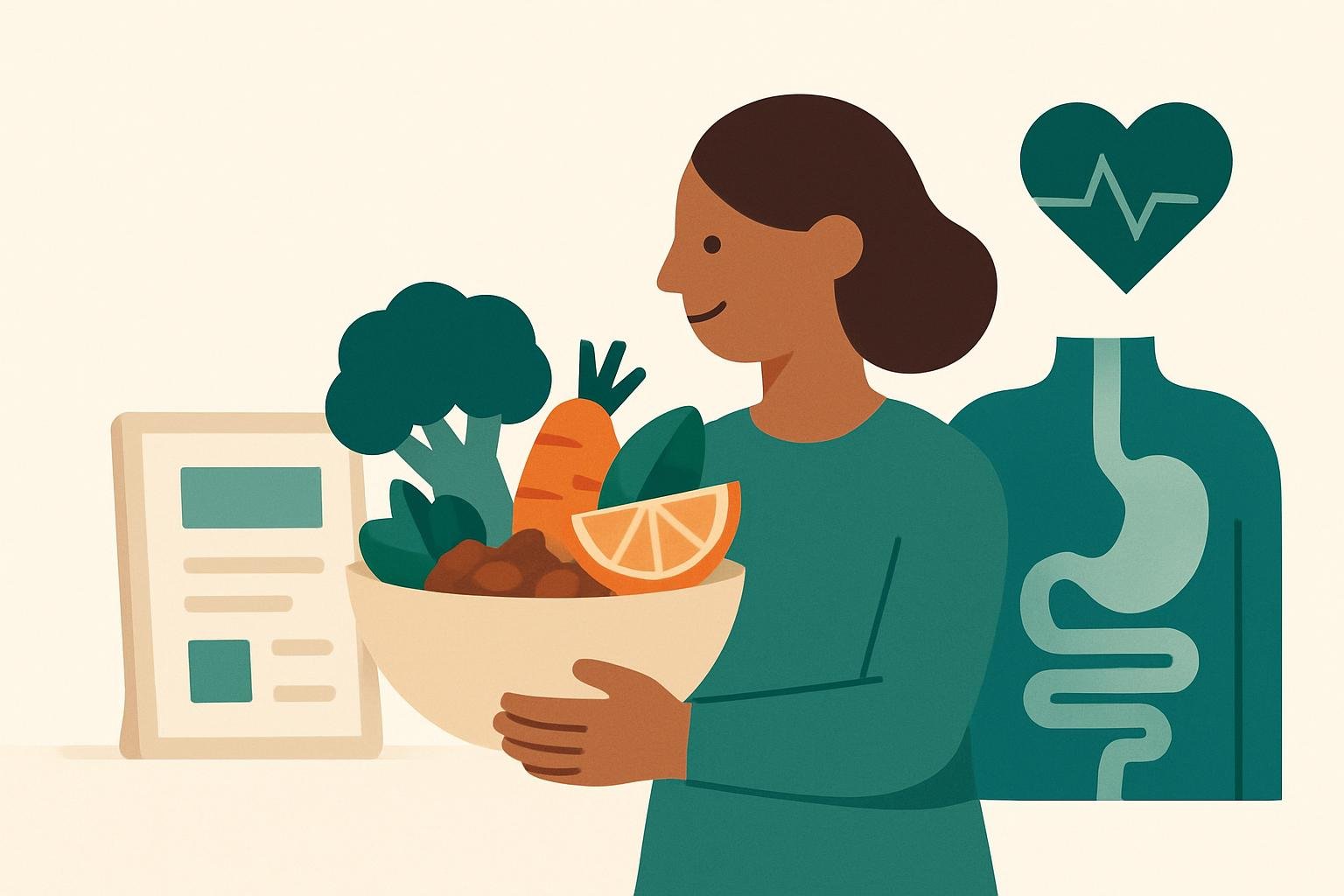
What Fiber Actually Is
Fiber is the part of plant foods your body can’t fully break down. Unlike carbohydrates, fats, and proteins, it passes through your digestive system largely intact. That might sound like a downside, but it’s actually the whole point. Fiber’s job isn’t to be absorbed for energy—it’s to do work along the way.
There are two main types, and both matter. Soluble fiber dissolves in water and forms a gel-like substance in your gut. You find it in oats, beans, apples, and citrus fruits. Insoluble fiber doesn’t dissolve; it adds bulk and helps move things along. Whole wheat, nuts, and vegetables like carrots and cauliflower are good sources. Most plant foods contain a mix of both, so you don’t need to obsess over sorting them.
How Fiber Supports Digestion
If you’ve ever dealt with irregular bowel movements, fiber is often part of the conversation. Insoluble fiber adds bulk to stool, which helps it move through your intestines more efficiently. This can ease constipation and make bowel movements more regular and comfortable.
Soluble fiber plays a different but complementary role. As it forms that gel-like texture, it can help slow digestion in a way that steadies things rather than speeding them up too much. This balance is one reason fiber is often recommended for both constipation and, in some cases, loose stools—it helps regulate rather than push in one direction.
Fiber also feeds the bacteria living in your gut, sometimes called your gut microbiome. These bacteria ferment fiber and produce compounds that support the health of your intestinal lining. A well-fed, diverse gut microbiome has been linked to better digestion overall, though this is an area of ongoing research and not a cure-all.
The Connection to Heart Health
Fiber’s benefits extend well beyond digestion. Soluble fiber, in particular, appears to help manage cholesterol levels. As it moves through your digestive tract, it binds to cholesterol-containing substances and helps carry them out of the body instead of letting them be reabsorbed into your bloodstream.
Over time, this process may help lower LDL cholesterol, sometimes called “bad” cholesterol, which is a factor in cardiovascular health. Fiber-rich diets are also associated with healthier blood pressure and more stable blood sugar levels, both of which matter for heart health.
It’s worth being clear here: fiber isn’t a substitute for medical treatment if you have diagnosed heart disease or high cholesterol. But as part of an overall approach to eating well, it’s one of the more well-supported dietary habits for supporting cardiovascular health over the long term.
How Much Fiber Do You Actually Need
Many adults fall short of recommended fiber intake without realizing it, often because processed and refined foods have had much of their natural fiber removed. General guidelines suggest adults aim for somewhere in the range of 25 to 35 grams per day, though your individual needs can vary based on age, sex, and overall health. A registered dietitian or your doctor can help you figure out what’s right for you, especially if you have a digestive condition.
Practical Ways to Increase Your Fiber Intake
You don’t need to overhaul your entire diet overnight. In fact, increasing fiber too quickly can cause bloating or discomfort, so a gradual approach works better for most people.
- Choose whole grains over refined ones. Swap white bread for whole wheat, white rice for brown rice or quinoa, and regular pasta for whole grain versions.
- Keep the skins on. Apples, potatoes, and cucumbers have much of their fiber in the skin. Washing and eating them whole, rather than peeling, adds fiber with no extra effort.
- Add beans and legumes to meals you already make. Toss lentils into soups, black beans into rice dishes, or chickpeas into salads.
- Snack on fruit and nuts instead of processed snacks. A handful of almonds or a pear offers more fiber than most packaged snack foods.
- Read labels. Look for products with at least a few grams of fiber per serving, and be cautious of foods marketed as “whole grain” that still list refined flour as the first ingredient.
- Drink enough water. Fiber needs water to do its job well, especially insoluble fiber. Increasing fiber without adequate fluid intake can actually worsen constipation rather than help it.
When to Talk to a Professional
If you’re dealing with persistent digestive issues, unexplained changes in bowel habits, or you’re managing a heart condition, it’s worth discussing your diet with a doctor or registered dietitian. They can help you understand whether fiber adjustments make sense for your specific situation and rule out anything that needs closer medical attention.
Fiber is one of the simpler, more accessible tools for supporting both digestion and heart health. Small, consistent changes to what’s on your plate can add up to a meaningful difference over time.
Remember: this guide is general information, not professional advice for your specific situation. For decisions with real stakes, check with a qualified professional.