Recognizing Early Burnout Signs Before They Take Over
Learn the subtle early warning signs of burnout and practical, everyday steps you can take to address it before it deepens.
Sponsored
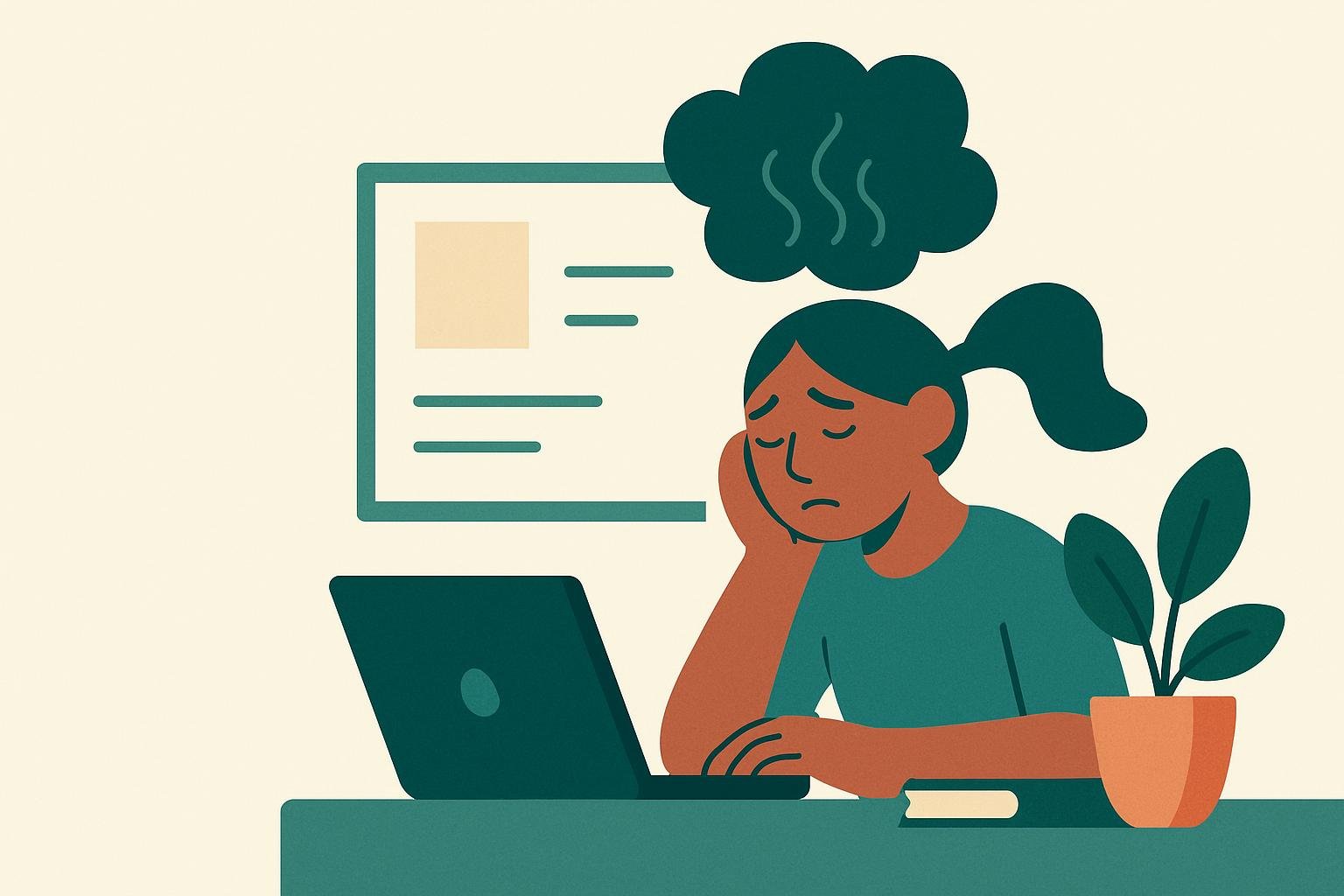
Burnout doesn’t usually announce itself. It creeps in slowly, disguised as a bad week that turns into a bad month. By the time most people recognize what’s happening, they’re already deep in it. Learning to spot the early signs can help you make small adjustments before burnout becomes something much harder to climb out of.
What Burnout Actually Is
Burnout is a state of physical, emotional, and mental exhaustion caused by prolonged stress, usually related to work but not always. It’s different from ordinary tiredness. A tired person feels better after a weekend off. Someone experiencing burnout often doesn’t, because the exhaustion has settled into their nervous system, not just their schedule.
Burnout tends to show up in three overlapping ways: feeling drained no matter how much rest you get, feeling detached or cynical about things you used to care about, and feeling like nothing you do makes a difference anymore. You don’t need all three to be dealing with burnout, and the signs can look different from person to person.
Early Signs You Might Miss
The early stages of burnout are easy to write off as a rough patch. Here are some signals worth paying attention to before they intensify.
- You’re tired in a way sleep doesn’t fix. You wake up already exhausted, even after a full night’s rest.
- Small tasks feel disproportionately hard. Answering an email or making a decision that used to take a minute now feels like climbing a hill.
- You’re more irritable than usual. Things that wouldn’t have bothered you before now set you off quickly.
- You’ve started dreading things you used to enjoy. Work, hobbies, or even social plans start to feel like obligations rather than pleasures.
- You’re pulling away from people. You cancel plans more often, or you go quiet with coworkers, friends, or family.
- Your body is sending signals. Headaches, stomach issues, tense shoulders, or trouble sleeping can all be physical expressions of chronic stress.
- You feel a growing sense of cynicism or detachment. You start to feel like your effort doesn’t matter, or you become more critical of your job, your role, or the people around you.
None of these signs alone means you’re burned out. But if several of them are showing up together and sticking around for weeks rather than days, it’s worth taking seriously.
Why Catching It Early Matters
Burnout tends to build gradually, which means it’s much easier to address in its early stages than once it’s fully entrenched. Early on, small changes to your routine, workload, or boundaries can make a real difference. Left unaddressed, burnout can deepen into something that affects your physical health, your relationships, and your ability to function at work or at home. Catching the early signals isn’t about being dramatic or overreacting. It’s about giving yourself the chance to course-correct while course-correcting is still relatively easy.
Practical Steps to Take Now
If you’re noticing early signs of burnout, you don’t need to overhaul your entire life right away. Small, consistent changes often matter more than big gestures.
Look honestly at your workload. Are you regularly working beyond your capacity, either in hours or in mental load? If so, identify one or two things you could delegate, postpone, or say no to. This might mean a direct conversation with a manager or simply being more realistic about what you take on.
Protect your recovery time. Rest isn’t just the absence of work. It’s activities that genuinely restore you, whether that’s time outdoors, reading, exercise, or simply doing nothing with no guilt attached. Try to build in small pockets of this daily, not just on weekends.
Set boundaries around after-hours availability. If you’re checking email late at night or responding to messages on days off, consider setting specific times when you’re reachable and times when you’re not. This takes practice, especially if it goes against workplace culture, but it’s worth experimenting with.
Reconnect with people. Isolation tends to feed burnout. Even brief, low-effort contact with people you trust, a phone call, a coffee, a walk, can help counter the sense of detachment that often comes with it.
Pay attention to your physical basics. Sleep, movement, and regular meals sound simple, but they’re often the first things to slip when you’re overwhelmed, and their absence can make everything else feel harder.
Talk to someone. If the exhaustion, detachment, or cynicism is persistent and affecting your daily functioning, consider speaking with a mental health professional or your doctor. They can help you understand what’s driving it and whether something like anxiety or depression might also be involved, since burnout can overlap with these conditions.
When to Seek Extra Support
If you’ve tried adjusting your routine and boundaries but still feel persistently exhausted, disconnected, or unable to function the way you used to, that’s a sign to bring in additional support. A therapist, counselor, or doctor can help you sort out what’s contributing to how you feel and work with you on a plan that fits your specific situation. Burnout is common, and it’s manageable, but you don’t have to figure it out entirely on your own.
Remember: this guide is general information, not professional advice for your specific situation. For decisions with real stakes, check with a qualified professional.