Sleep Hygiene 101: Simple Habits That Can Improve Your Rest
Learn what sleep hygiene actually means and which everyday habits can help you fall asleep faster, stay asleep longer, and wake up feeling more rested.
Sponsored
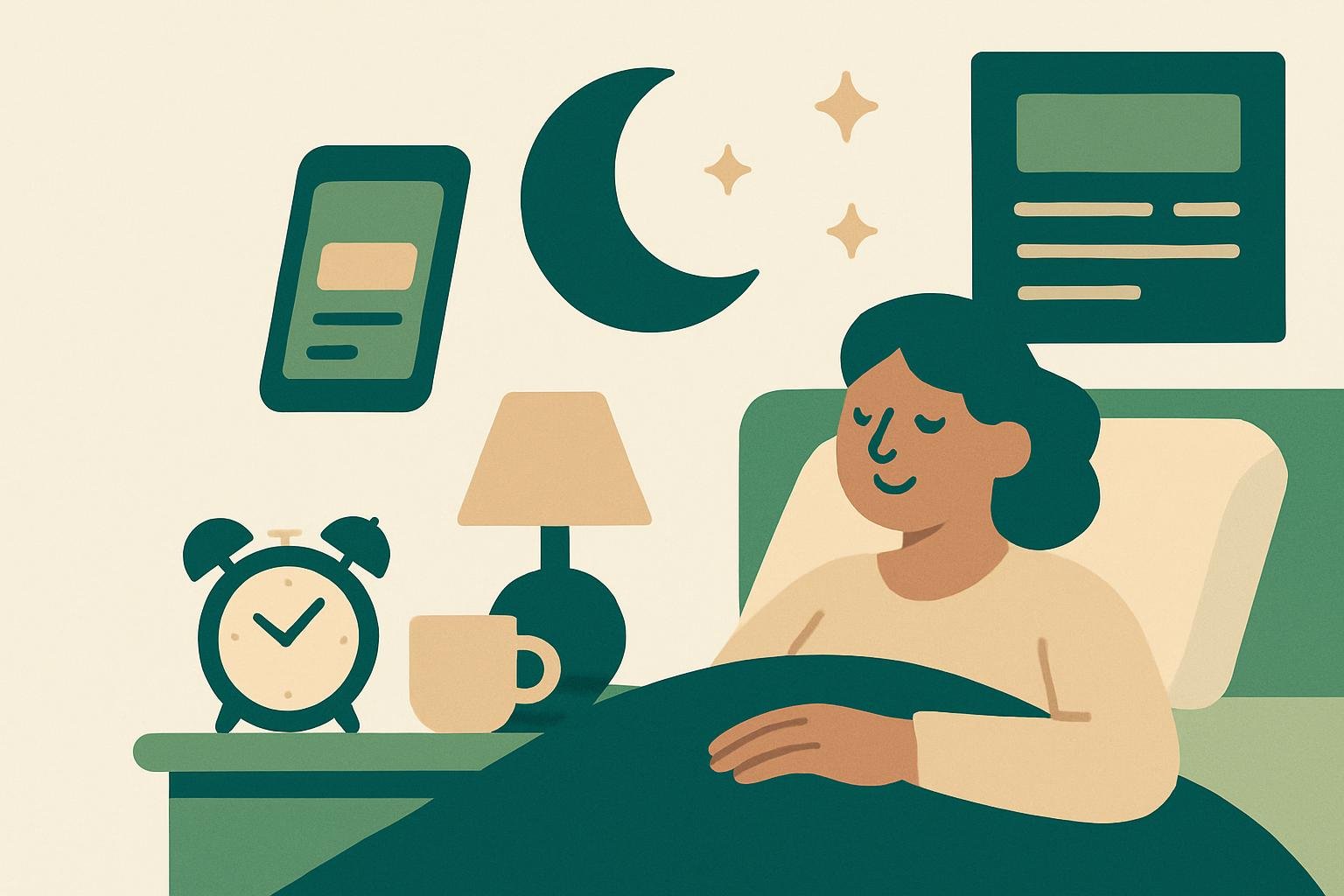
What Sleep Hygiene Really Means
Sleep hygiene isn’t about how clean your sheets are, even though fresh sheets never hurt. It refers to the habits and environment that shape how well you sleep. Think of it as the daily routine and surroundings you build around bedtime, from what you do in the evening to how your bedroom feels when the lights go out.
The idea matters because sleep isn’t just downtime. It’s when your body repairs tissue, your brain processes the day’s information, and your immune system does a lot of its quiet work. When sleep is consistently poor, the effects tend to show up everywhere: mood, focus, appetite, energy, and even how your body handles stress. Good sleep hygiene won’t fix every sleep problem, but it gives your body the best possible conditions to rest well.
Why Sleep Affects So Much More Than Feeling Tired
It’s easy to think of sleep as simply the opposite of being awake, but it’s more active than that. During sleep, your brain cycles through different stages, some focused on physical restoration and others on memory and learning. Hormones that regulate hunger, stress, and growth are also released on a sleep-linked schedule.
When sleep is cut short or constantly interrupted, this system gets thrown off. You might notice it as brain fog, irritability, or craving more sugar and caffeine than usual. Over time, insufficient sleep has been linked to a wide range of health concerns, including difficulty managing weight, mood changes, and a weaker ability to fight off illness. This doesn’t mean one bad night will cause harm, but a consistent pattern of poor sleep is worth taking seriously.
Building a Consistent Sleep Schedule
One of the most effective things you can do for your sleep has nothing to do with your bedroom at all. It’s timing. Going to bed and waking up around the same time every day, including weekends, helps regulate your internal body clock, sometimes called your circadian rhythm.
This internal clock relies on predictability. When your sleep and wake times shift dramatically from one day to the next, your body has to keep readjusting, which can leave you feeling groggy even after a full night’s sleep. If your schedule has been irregular, try shifting your bedtime and wake time gradually, by fifteen to thirty minutes at a time, rather than making a sudden big change.
Creating a Sleep-Friendly Environment
Your bedroom sends signals to your brain about whether it’s time to rest or stay alert. A few adjustments can make a meaningful difference:
- Keep it cool. A slightly cool room, rather than a warm one, tends to support better sleep for most people.
- Limit light exposure. Darkness helps your body produce melatonin, a hormone that signals it’s time to sleep. Blackout curtains or an eye mask can help if outside light is an issue.
- Reduce noise. Consistent background sound, like a fan or white noise machine, can help mask sudden disruptions.
- Reserve your bed for sleep. Using your bed for work, scrolling on your phone, or watching TV can weaken the mental association between your bed and rest.
Rethinking Screens and Stimulants Before Bed
Screens are one of the most common sleep disruptors, and it’s not just about the content you’re watching. The light from phones, tablets, and computers can interfere with your body’s natural signal that it’s time to wind down. Try setting a screen cut-off time thirty to sixty minutes before bed, and see how it affects how quickly you fall asleep.
Caffeine and alcohol are worth a closer look too. Caffeine can stay in your system for several hours, so that afternoon coffee might still be affecting you at bedtime. Alcohol can make you feel drowsy at first, but it often disrupts the deeper stages of sleep later in the night, leaving you less rested than you’d expect.
Building a Wind-Down Routine
Just as children often benefit from a bedtime routine, adults do too. A predictable sequence of calming activities before bed helps signal to your brain that sleep is coming. This might include:
- Dimming the lights in your home an hour before bed
- Reading a physical book instead of scrolling on a device
- Doing light stretching or a few minutes of deep breathing
- Writing down tomorrow’s to-do list to clear your mind of lingering tasks
The specific activities matter less than the consistency. Repeating the same low-key routine each night trains your brain to associate those actions with sleep.
When to Talk to a Professional
Sleep hygiene habits can meaningfully improve sleep quality for many people, but they aren’t a cure-all. If you consistently struggle to fall asleep, wake up frequently through the night, or feel exhausted despite spending enough time in bed, it may be worth discussing with a healthcare provider. Conditions like sleep apnea, insomnia, or restless leg syndrome require proper evaluation and can’t be resolved through habit changes alone.
It’s also worth mentioning any new medications, health changes, or ongoing stress to your doctor, since these can all affect sleep in ways that aren’t always obvious.
Small Changes, Real Impact
Improving sleep hygiene isn’t about perfection. You don’t need to overhaul your entire routine overnight, so to speak. Start with one or two changes, like a consistent wake time or cutting off screens earlier, and build from there. Over time, these small, steady adjustments can add up to noticeably better rest and, in turn, a better foundation for your overall health.
Remember: this guide is general information, not professional advice for your specific situation. For decisions with real stakes, check with a qualified professional.