Understanding Cholesterol Numbers and Your Heart Disease Risk
A plain-language guide to what LDL, HDL, and triglyceride numbers actually mean, plus the everyday lifestyle factors that shape your heart disease risk.
Sponsored
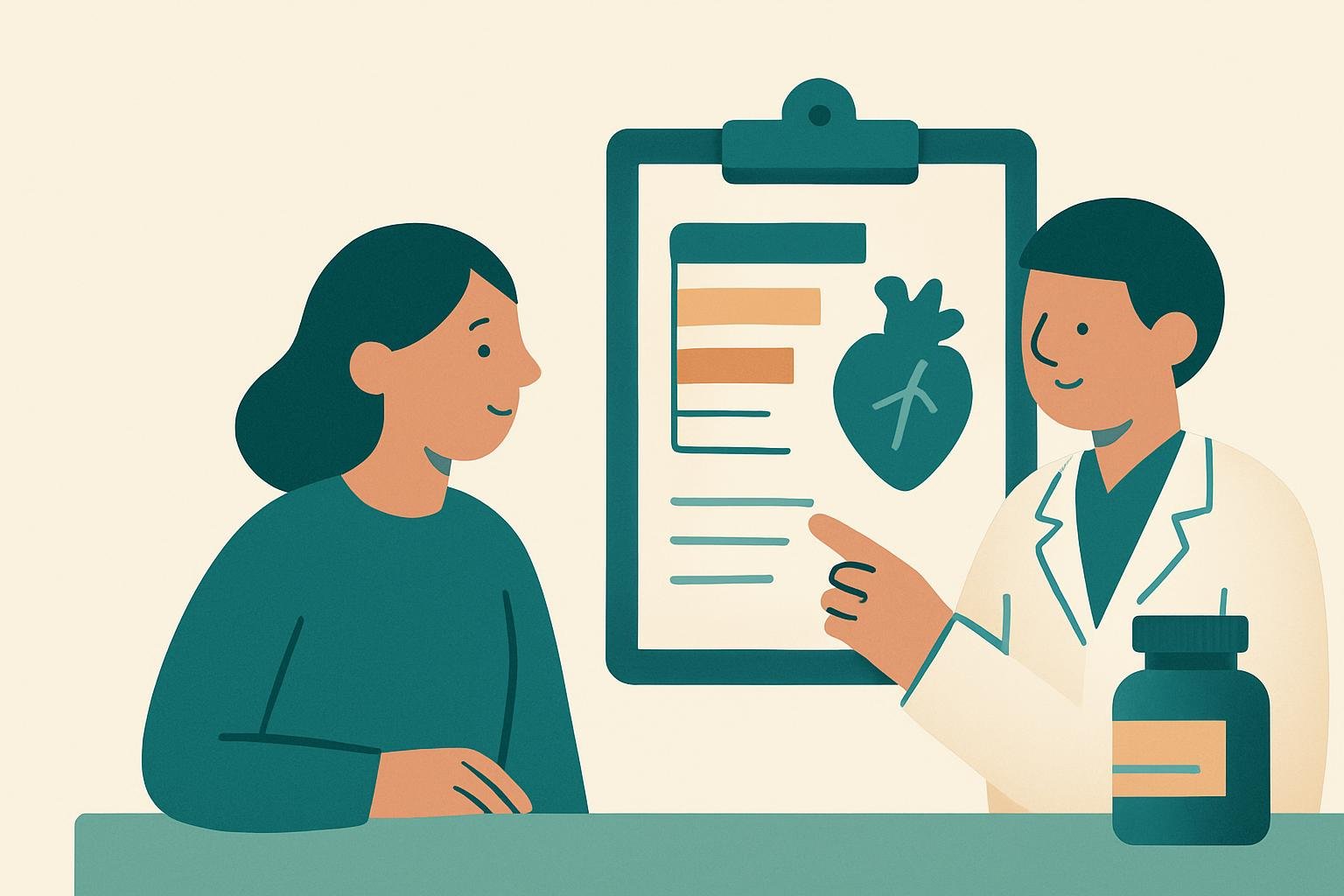
If you’ve ever left a doctor’s appointment with a printout full of numbers and abbreviations, you’re not alone. Cholesterol results can look like a foreign language, but once you understand what each number represents, they become a genuinely useful tool for protecting your heart.
What Cholesterol Actually Is
Cholesterol is a waxy, fat-like substance your body needs to build cells, produce hormones, and make vitamin D. Your liver makes most of what you need, and the rest comes from food. The issue isn’t cholesterol itself—it’s having too much of the wrong kind circulating in your blood, where it can build up in artery walls over time and narrow the pathways your blood needs to flow through.
Breaking Down the Numbers
A standard cholesterol panel, often called a lipid panel, gives you several separate readings.
LDL (low-density lipoprotein) is often called “bad” cholesterol because it’s the type most associated with plaque buildup in artery walls. Lower numbers here are generally better.
HDL (high-density lipoprotein) is the “good” cholesterol. It helps carry excess cholesterol back to your liver, where it can be processed and removed from your body. Higher HDL numbers are generally favorable.
Triglycerides are a different type of fat in your blood. High triglyceride levels, especially combined with low HDL or high LDL, can add to your overall heart disease risk.
Total cholesterol is a combined figure that includes LDL, HDL, and a portion of your triglycerides. It gives a general snapshot, but it’s less informative on its own than looking at the individual numbers.
Your healthcare provider will interpret these numbers together, not in isolation, because the relationship between them matters as much as any single figure. Someone with a high total cholesterol number but also high HDL may have a different risk profile than someone with the same total but low HDL.
Why Context Matters More Than a Single Number
Cholesterol numbers are one piece of a larger risk picture. Your provider will likely also consider your blood pressure, age, family history, whether you smoke, and whether you have conditions like diabetes. Two people with identical cholesterol panels can have very different heart disease risk depending on these other factors. This is why it’s worth discussing your full results with a qualified professional rather than trying to interpret a single number in isolation.
Lifestyle Factors That Influence Your Numbers
While genetics play a role in cholesterol levels, several everyday habits also have a real influence.
What you eat. Diets high in saturated fat—found in fatty cuts of meat, butter, and many processed foods—tend to raise LDL cholesterol. Replacing some of these fats with unsaturated fats, found in olive oil, nuts, and fatty fish, is a change many people find manageable and worthwhile. Fiber-rich foods like oats, beans, and vegetables can also help lower LDL over time.
Physical activity. Regular movement, even at a moderate pace, tends to raise HDL cholesterol and can help lower triglycerides. You don’t need intense workouts to see benefits—consistent, moderate activity like brisk walking counts.
Body weight. Carrying excess weight, particularly around the midsection, is associated with higher LDL and triglycerides and lower HDL. Even modest, sustainable weight changes can shift these numbers in a favorable direction.
Smoking. Smoking lowers HDL cholesterol and damages the lining of blood vessels, making it easier for LDL to contribute to plaque buildup. Quitting is one of the more impactful changes a person can make for heart health, even if it’s rarely easy.
Alcohol. Drinking in excess can raise triglycerides and contribute to other health problems. If you drink, keeping intake moderate is a reasonable goal to discuss with your provider.
Sleep and stress. Chronic poor sleep and ongoing high stress have been linked to unfavorable changes in cholesterol and other cardiovascular risk markers. These are easy to overlook, but they’re worth paying attention to as part of an overall approach to heart health.
What You Can Do With This Information
Understanding your cholesterol panel gives you a starting point, not a verdict. If your numbers are outside the typical ranges, that’s useful information to bring to your healthcare provider, who can help you understand what it means for your specific situation and what steps make sense.
Some people can improve their numbers meaningfully through diet and lifestyle changes alone. Others may need medication in addition to lifestyle adjustments, particularly if there’s a strong family history of heart disease or other risk factors at play. Neither path is a failure—your body’s response to lifestyle changes depends on many factors beyond your control, including genetics.
The most useful thing you can do is treat your cholesterol numbers as one part of an ongoing conversation with your healthcare provider, rather than a one-time report card. Regular check-ins allow you to track trends over time, which often tell a more complete story than a single test.
Bringing It Together
Cholesterol numbers can feel intimidating at first, but they’re really just information—tools to help you and your healthcare provider understand your heart disease risk and make decisions together. Pairing that information with everyday habits around food, movement, sleep, and stress gives you real influence over your long-term heart health. If you have questions about your specific results or what changes might help, a conversation with a qualified healthcare professional is the best next step.
Remember: this guide is general information, not professional advice for your specific situation. For decisions with real stakes, check with a qualified professional.